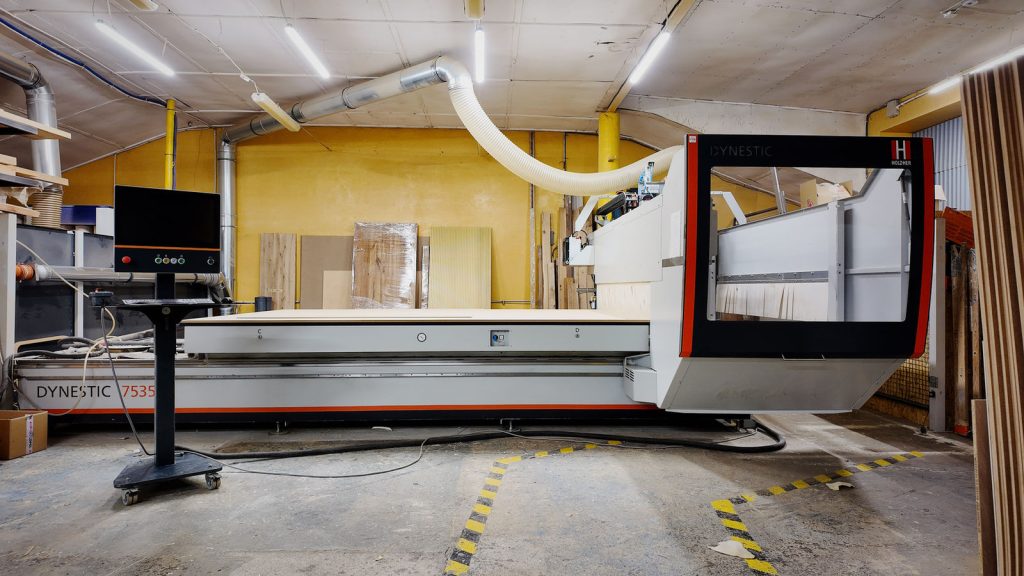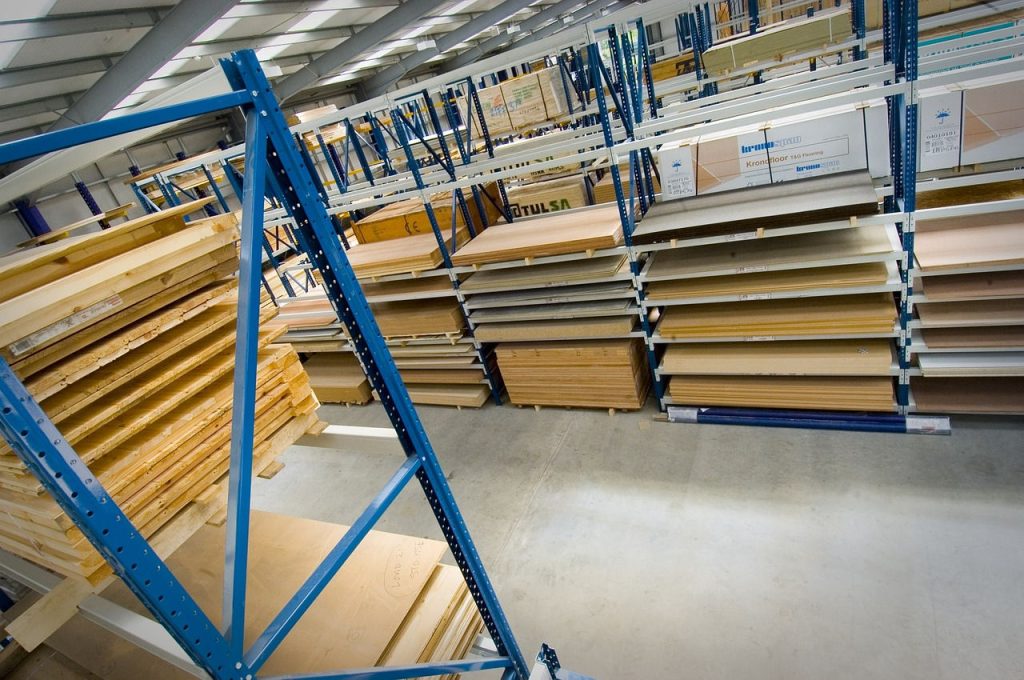
A joinery workshop is a place where wood turns into true works of applied art. Behind these transformations stand not only the skills of the craftsmen, but also the right tools. One of the most important machines, without which it is hard to imagine a professional joinery workshop, is the panel saw, also known as a sliding table saw. For many people outside the wood industry the name may sound enigmatic, so it is worth explaining what this machine actually is and what it can do.
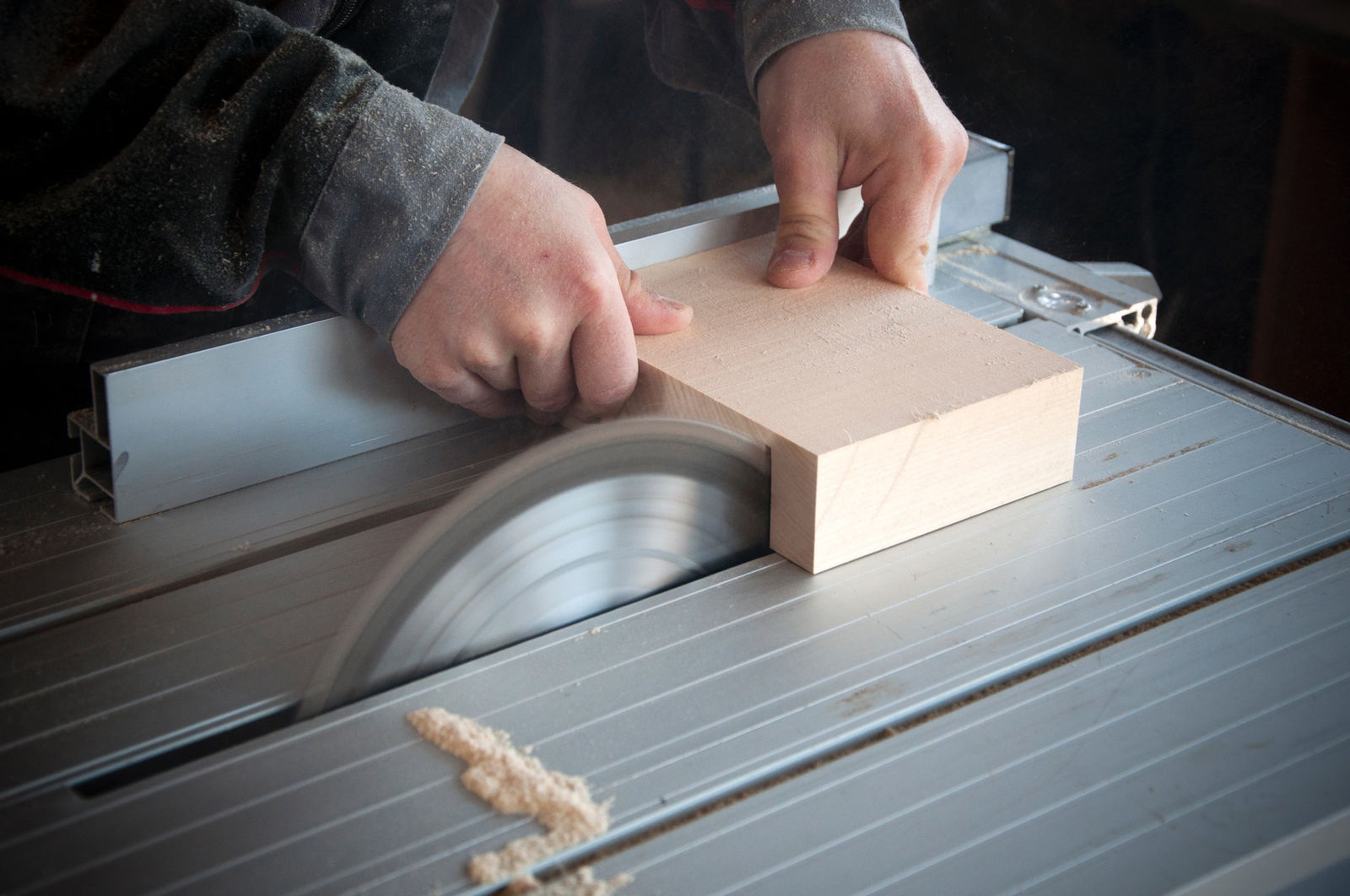
The panel saw is a basic woodworking machine and the heart of every joinery workshop. It is an advanced cutting machine that gives the workpiece the right format and shape – hence its Polish name, “formatówka”. Unlike ordinary circular saws, the blade of a panel saw stays in place – it rotates on the spot while the material is moved along it on a special table with guides. This table, often called the sliding or travelling table, is the heart of the whole machine and delivers a cutting precision that ordinary table saws simply cannot match.
Its versatility means the panel saw is used in many areas of woodworking. It cuts not only solid wood of varying hardness, such as pine, oak or ash, but also all kinds of wood-based materials – MDF, OSB, chipboard, plywood, and even ABS panels and PVC elements. This versatility makes the panel saw indispensable in plants producing furniture, doors, window joinery and interior finishes.
A panel saw can make many different types of cuts. Rip cuts, cross cuts, angled and bevel cuts are all easy to do. It can also cut grooves and housings, which greatly extends what you can do with it. Thanks to the large work table with guides, the panel saw handles large and long worktops, timber and boards – something that would be extremely difficult with smaller machines.
Interestingly, many modern panel saws are fitted with an additional element called a scoring blade. It is a smaller saw blade positioned in front of the main blade. The scorer is slightly wider than the main blade and rotates in the opposite direction. Its job is to pre-cut the material, which prevents fibres from tearing out and edges from chipping, especially when cutting laminated or veneered boards. The result is perfectly smooth edges with no further finishing – essential in high-quality furniture production.
The construction of a panel saw is fairly complex, but its main parts are the body that keeps the whole machine stable, the work table on which the material is placed, the main saw unit made up of the motor and blade, and the sliding carriage mentioned above. Modern models also come with various safety systems that protect the operator from accidental contact with moving parts.
Any joiner, even a less experienced one, can operate a panel saw. It is enough to set up the table and guides correctly, place the material on the table and use the guide to move it along the blade. With the machine set up properly and material of identical dimensions, even automated, serial production is possible, which significantly speeds up work in a joinery plant.
There are many types of panel saws on the market, differing in power, size and additional functions. You will find both smaller models for small workshops and large industrial machines for professional production. Renowned manufacturers such as Robland, Winter, SCM and Rema offer machines with motorised blade height and tilt adjustment, digital displays and advanced guide systems.
A panel saw is an investment that pays for itself quickly through higher productivity and quality of work. A well-chosen model, matched to the specifics of the workshop and the jobs it takes on, will become an indispensable helper for every joiner – whether they produce furniture, finishing elements or bespoke projects. In today’s world, where both precision and efficiency count, the panel saw is a tool without which professional woodworking is hard to imagine.